
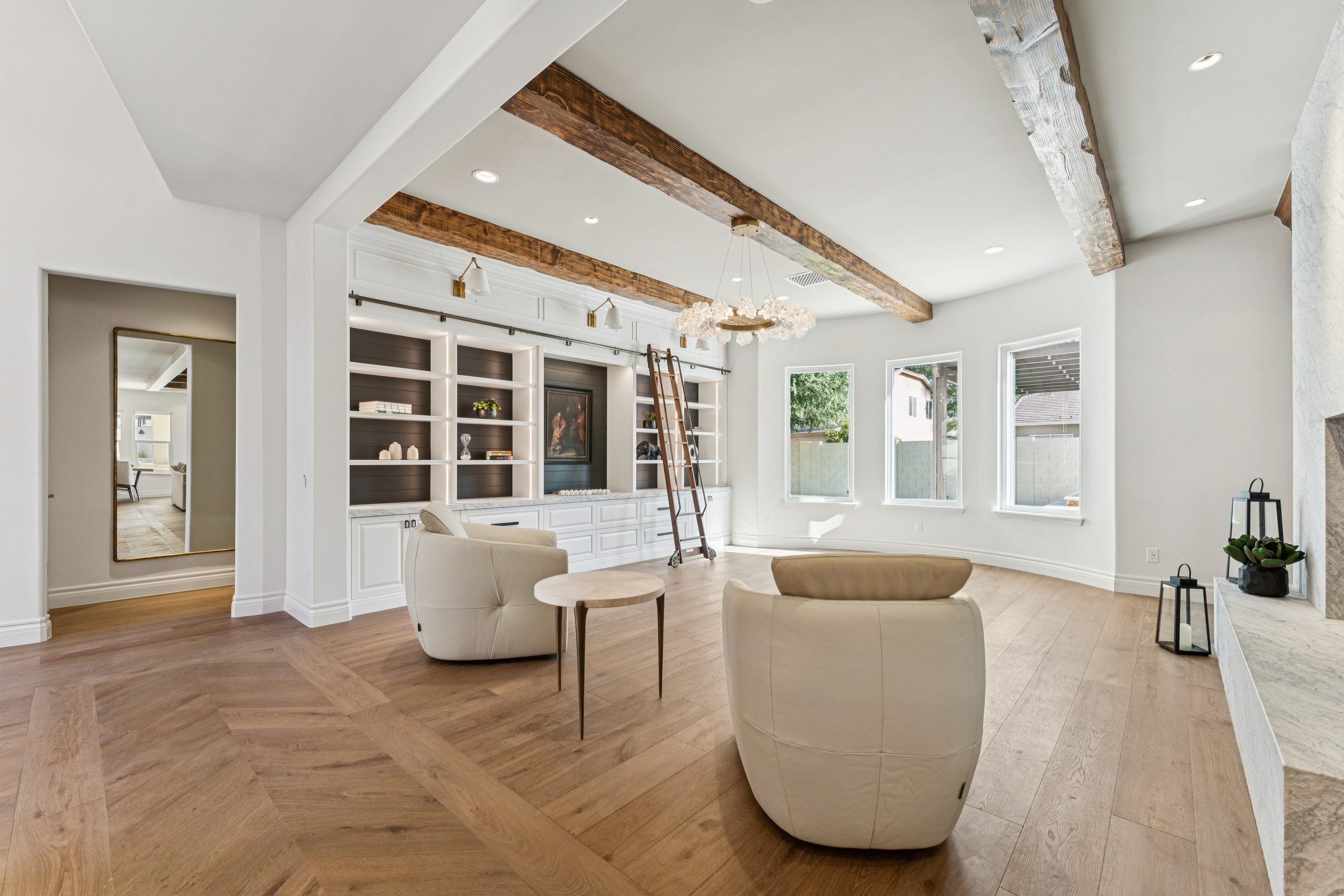
18 Different Types of Interior Design Styles
Every home tells a story, and the design style you choose sets the tone for how that story unfolds. Whether you gravitate toward clean lines or rich, layered textures, understanding the different types of interior design styles is the first step toward a space that truly feels like you. Here is a look at eighteen of the most popular interior design styles. If you would like a closer look at how these styles play out in real homes, our portfolio is a great place to start, and our design blog has plenty more style inspiration to explore.
“In my thirty years doing this work, the homes I’m proudest of were never the ones that simply looked like a magazine spread. They were the ones that fit perfectly for the family inside them. My role isn’t to hand a client a trend and hope it fits. It’s to listen closely enough to understand how they actually live, entertain, and want to feel in their own home, then build something that could only belong to them. A home that feels exactly right.” — Athena D. Vigil, Allied ASID, IFDA
Modern
Modern design favors clean lines, a neutral color palette, and a quiet sense of order. Furniture tends to sit low and uncluttered, with materials like glass, steel, and polished wood taking center stage. Every element earns its place, so storage and layout decisions matter as much as the furniture itself. It is a style built for those who find calm in simplicity, and it pairs especially well with open floor plans in newer builds.
Mid-Century Modern
Mid-century modern design takes its cues from the 1950s and 60s, pairing clean lines with organic curves, tapered wood legs, and a mix of warm woods and bold accent color. Think walnut credenzas, low profile sofas, and graphic textiles that still feel fresh today. It works well for clients who want a modern layout without losing warmth, and it is often layered into a broader modern or transitional home rather than used on its own throughout.
Contemporary
Contemporary design borrows from whatever is current, so it shifts with the times rather than locking into one era. Expect soft curves, bold accent colors, and a mix of textures that feel fresh without straying too far from function, often paired with large windows that maximize natural light. Lighting fixtures often act as sculptural focal points, and furnishings are chosen to work together rather than match exactly. This style suits clients who want their home to evolve alongside their taste, and it translates just as well into a boutique office as it does a living room.
Traditional
Traditional interiors draw on classic European influences, with rich wood tones, symmetrical layouts, and detailed millwork. Fabrics like velvet and damask add warmth, and furnishings often carry a sense of history, whether inherited or newly custom made. Formal dining rooms, wainscoting, and layered window treatments are hallmarks of this style, which tends to age gracefully over decades.
French Country
French country design blends the rustic charm of a countryside farmhouse with the polish of French antiques. Think weathered wood tables, toile fabrics, and ironwork details, often finished with a bit of distressed wood on cabinetry and beams for warmth. Soft, muted colors keep the look approachable rather than formal, and a mix of old and new pieces gives rooms a collected feel. French country design works especially well in kitchens and dining rooms where clients want warmth without going fully traditional.
Art Deco
Art deco design borrows from the glamour of the 1920s and 30s, with bold geometric patterns, lacquered surfaces, and metallic accents in brass or chrome. Deep jewel tones and mirrored details give rooms a sense of drama, while curved furniture and the occasional velvet chair soften the sharper lines. It is a striking choice for a powder room, bar area, or formal living room where clients want real personality.
Hollywood Regency
Hollywood regency design brings old-world glamour into a room with mirrored furniture, lacquered surfaces, and a rich mix of metallics. Silk draperies, tufted upholstery, and a chaotic. Hollywood regency style is a natural fit for a primary suite or formal living room where clients want a bit of theater.
Transitional
Transitional design blends the warmth of traditional furnishings with the simplicity of modern lines, giving homeowners the best of both approaches. Neutral backgrounds are often paired with a few statement pieces, keeping the eye moving without overwhelming the room. The result is a balanced, livable space that feels current without losing its sense of comfort.
Minimalist
Minimalist design is one of the more demanding interior design styles to live in day to day, since it strips a room down to what matters most, favoring open space and furniture chosen with intention. Storage is often built in rather than added on, so the finished space stays visually quiet, and natural materials like stone and raw wood tend to replace ornate finishes. Every object earns its place, and quality tends to matter more than quantity. For clients with busy schedules, a minimalist home can offer real relief from visual clutter, and a clear plan going in makes all the difference. Our guide to hiring an interior designer walks through what that planning process looks like from the very first meeting.
Maximalist
Maximalist design is the opposite of minimalist design, layering pattern, color, and collected objects rather than editing them down. Bold wallpaper, mixed prints, and geometric shapes show up throughout the room, often alongside gallery walls and statement lighting. It is a style for clients who want their personality on full display rather than tucked away.
Mediterranean
Like many interior design styles, Mediterranean design works best when adapted to the local climate and architecture, which is why it reads so naturally here in Arizona. It brings together warm terracotta tones, wrought iron details, and natural stone, inspired by coastal Europe. Arched doorways and textured plaster walls give rooms a sense of history and place, while wood ceiling beams and hand painted tile add character room by room.
Coastal
Among coastal interior design styles, this one stays relaxed rather than themed, leaning into light, airy palettes, natural fibers, and furnishings that echo the shoreline without feeling literal. Woven textures, whitewashed wood, and soft blues and sandy neutrals keep the look grounded. Window treatments are usually kept simple, letting natural light take the lead throughout the day. It works beautifully in vacation homes and primary residences alike, offering a relaxed backdrop for everyday living.
Boho
Boho style is built on collected, layered decor, mixing global textiles, plants, and vintage or handmade furniture pieces. Woven baskets, macrame, and mixed metals create a relaxed, personal feel that grows and changes as new pieces are added over time. Natural materials like rattan, jute, and reclaimed wood show up often, keeping the look grounded rather than cluttered.
Shabby Chic
Shabby chic design takes worn, vintage furniture and gives it a soft, romantic finish, often with painted wood, floral fabrics, and a mix of hand-me-down and new pieces. It leans on gently distressed finishes and a light, feminine palette rather than anything polished or matched. This style suits guest rooms, nurseries, and cottage-style homes where a slightly imperfect, lived-in look is the point.
Scandinavian Design
Scandinavian design shares some of minimalism’s restraint but adds warmth through light wood tones, simple silhouettes, and soft textiles layered over a neutral color palette punctuated with a single accent color. Function comes first, so furniture tends to be practical as well as beautiful, and rooms are designed to make the most of natural light during darker months. It is a natural pairing for open concept homes, including several we have completed for clients in Mesa who want comfort without visual noise.
Japandi
Japandi design merges Japanese minimalism with Scandinavian warmth, favoring low profile furniture, natural textures, and a calm, uncluttered layout. Rattan accents, unbleached linens, and matte ceramics bring in texture without adding visual noise, while a muted, earthy palette ties the room together. Japandi works well for clients who love pared-back Scandinavian style but want an added layer of quiet, natural craftsmanship.
Modern Farmhouse
Modern farmhouse style pairs the warmth of a traditional farmhouse with cleaner, more current finishes. Shiplap walls, black metal fixtures, and apron front sinks sit alongside simple, comfortable furniture and a mostly neutral color palette. It remains one of the most requested interior design styles for new construction because it feels collected and lived in from the day a family moves in, without asking for constant upkeep.
Industrial
Industrial interior design celebrates raw materials such as exposed brick, concrete, and blackened metal, often paired with reclaimed wood for warmth. Originally drawn from converted lofts and warehouses, this style now appears in homes and businesses that want an edge of character and texture. Open shelving, statement lighting, and unfinished surfaces are treated as features rather than flaws.
Designing Beyond Trends
A list like this is useful for one reason only: it gives you language for what you already respond to. It is not a menu to pick from, and it is not where the real work starts.
“A client will show me a Pinterest board full of organic modern design images, and I never talk them out of it, instead I ask them why those images caught their eye in the first place. Usually it is not the style at all. It is how the room made them feel, how they pictured themselves living in it.” — Athena D. Vigil, Allied ASID, IFDA
That distinction matters more than it sounds. Trends move fast, and a home finished around one tends to feel dated the moment the next one arrives. What does not move is how a family actually lives: whether they entertain often or rarely, whether a room needs to hold up to kids and dogs or stay quiet and adult, whether the person cooking wants to be part of the conversation or removed from it. Those are the questions that shape a space that still feels right in ten years, not just this season.
That is why a style name is just a starting point at Interiors Remembered, not an outcome. A trend can hand you a color story or a silhouette worth reacting to. What turns it into a home is 30 plus years of knowing which of those instincts will hold up and which ones are worth setting aside, then building around the client’s actual life rather than the image that started the conversation.
Let’s Design Your Vision Together
With over 30 years of experience guiding clients through every stage of the design process, Interiors Remembered helps you choose and combine the interior design styles that reflect your life best, whether that means a clean modern space, a layered boho retreat, or a classic transitional design that blends the two. No single approach fits every family, which is why we start each project by talking through which interior design styles speak to you. Take a look at our design and remodel services to see how we bring each style to life, or read what past clients have to say on our testimonials page. Then contact us today for a complimentary consultation and begin your journey toward the home of your dreams.
Discover What a Truly Client-Centered Design Experience Looks Like
Schedule your complimentary discovery call with our team today.
Schedule Your Discovery Callor call (480) 921-4224

