
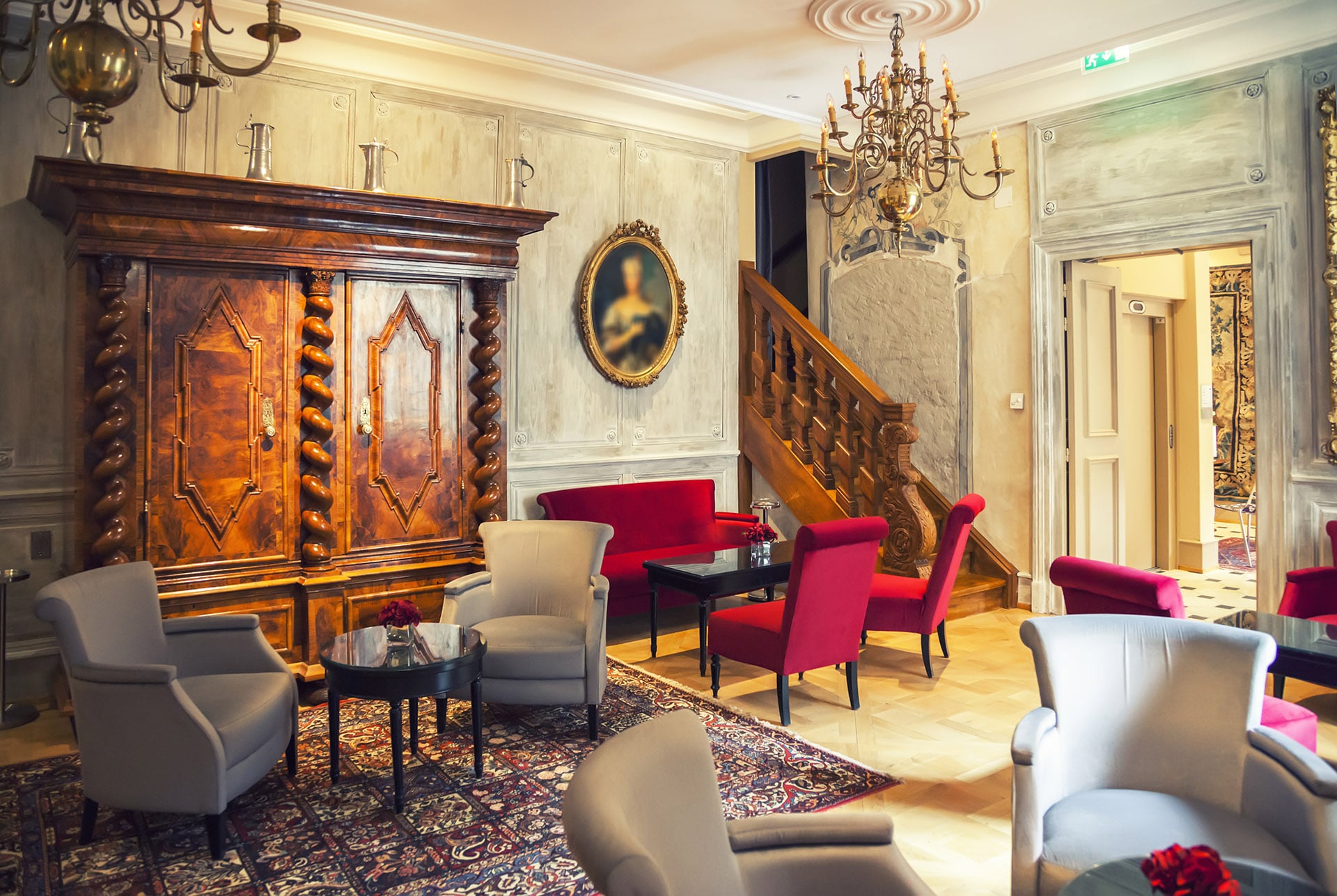
Hotel Lobby Interior Design Ideas: Make a Lasting First Impression
The lobby is the moment of truth. In the first thirty seconds, a guest decides whether they have made the right choice. For boutique hotels and luxury resorts, it is the first chapter of the story the property tells, and great hotel lobby interior design sets the emotional tone before a single word is spoken. At Interiors Remembered, we have spent more than 30 years designing hospitality spaces that earn our clients’ loyalty. Here is what we have learned.
Start With the Brand Story, Not the Furniture
The most common mistake in hotel lobby design is selecting finishes and furniture before establishing the brand narrative. A lobby with no clear point of view ends up feeling generic, and generic is the last thing an independent property can afford. Before a single material is chosen, the design should answer: What feeling does this property want to create the moment guests arrive? What makes this hotel different?
The answers become the creative brief. A desert retreat draws from warm stone and terracotta, while a coastal boutique leans into natural linen and bleached wood. The same thinking applies across property types, and our guide on designing your vacation home’s interior design explores how place, identity, and design connect in a residential context. Once the brand story is clear, every decision that follows becomes more cohesive.
Plan the Entry Sequence With Intention
The entry sequence is the choreography of arrival. It begins when a guest sees the building and ends when they settle at the front desk or into a lounge chair. A well-considered sequence delivers four things:
A clear visual anchor that draws the eye immediately to something memorable.
Intuitive wayfinding so guests find the desk and elevators without searching for signs.
An immediate sensory impression through signature scent, carefully calibrated lighting, and curated ambient sound.
A genuine transition from the pace of the outside world, earned through materiality, ceiling height, and the management of sound.
Choose Materials That Ground the Space
Materials carry the brand as much as any artwork. Reliable choices for luxury lobbies include:
Natural stone floors: large-format travertine, limestone, or honed marble for timeless authority.
Textured walls: hand-troweled plaster, limewash, or wood cladding for visual depth and tactile richness.
Warm metals: unlacquered brass or aged copper that age gracefully and signal quality.
Custom millwork: a beautifully crafted front desk or built-in banquette that no off-the-shelf solution can replicate.
For a deeper look at how materials shape emotional experience, read our post on the impact of color in interior design.
Master the Lighting Plan
Nothing reveals the quality of a lobby faster than its lighting. Every lobby needs four layers: ambient lighting at 2700K–3000K for warmth, accent lighting directed at art and architectural features, task lighting at functional areas, and decorative statement fixtures that serve both function and expression. All lighting should be on dimmers with pre-programmed scenes for morning, midday, evening, and late night.
Design the Furniture Plan for Flow and Lingering
The best hotel lobbies encourage guests to stay. To create that gravitational pull, the furniture plan should create distinct zones: a lounge area, a beverage station, an intimate nook, and a clear path to the front desk. Mixing seating types, specifying performance-grade upholstery, and maintaining clear circulation all contribute to a space guests want to spend time in. Our post on scale and proportion in interior design covers this principle in detail and is worth reading before specifying a single piece.
“The lobby is the promise the hotel makes to every guest before they see a single room. When we design a lobby, we are asking ourselves one question above all others: what do we want this person to feel in the first thirty seconds? Get that right, and everything else follows.” – Athena D. Vigil, Design Director and CEO, Interiors Remembered
Use Biophilic Design to Humanize the Space
Large lobbies can feel cold without deliberate effort to bring warmth and life into them. A living plant wall, water features, or maximized natural light all counteract that effect. As we explore in our post on your environment and your wellness, intentional design choices have a measurable impact on how people feel in a space, and research consistently shows guests rate areas with natural elements as more calming, luxurious, and memorable. This makes biophilic design one of the highest-return investments in any lobby renovation.
Integrate Art as a Brand Statement
Art is one of the most powerful brand signals in a hotel lobby. A thoughtful strategy includes one signature hero piece that anchors the space, smaller curated works in secondary seating areas, and where possible, commissions from local artists that signal authentic hospitality. Art should be treated as a collaborator in the design, not an afterthought applied once the furniture is placed.
The Front Desk: Function and Brand Moment in One
The front desk is where the guest has their first human interaction with the property, and every detail should reflect that weight. Custom millwork or stone signals investment from ten feet away, integrated lighting makes the desk a natural focal point, and clean, concealed back-of-house storage preserves the integrity of the design. ADA-compliant counters are both a legal requirement and a hospitality essential, ensuring the space works as beautifully as it looks.
Common Hotel Lobby Design Mistakes to Avoid
A few patterns we see regularly:
Prioritizing photography over livability: a lobby that photographs beautifully but is uncomfortable to sit in will fail in practice.
Trendy over timeless: lobby renovations are expensive and infrequent. Classic materials and strong architectural bones serve a property for decades.
Under-specifying acoustics: a lobby that echoes becomes unpleasant quickly. Rugs, upholstered furniture, and drapery all contribute to a comfortable soundscape.
Ignoring the arrival experience: it begins at the entry drive and canopy, not at the front door.
Treating the lobby as a one-time project: great lobbies are seasonally refreshed with updated florals, art rotations, and adjusted lighting scenes.
Benefits of a Great Hotel Lobby Design
Guests wowed at arrival tend to be more forgiving of minor service issues, more generous in reviews, and more likely to return. A beautifully designed lobby also attracts non-guest visitors: locals at the bar, business travelers choosing the property for meetings, and social media users who visit to photograph the space, extending the brand’s reach far beyond the guest list. The financial case is just as compelling, and our post on how interior design can boost property value breaks it down in detail.
Hotel Lobby Interior Design Services from Interiors Remembered
Interiors Remembered has spent more than 30 years and 600+ projects designing spaces that earn our clients’ loyalty.
Our commercial design services include full-service hotel lobby design, common area planning, guest room and suite design, brand alignment, material and finish specification, custom millwork, lighting design, and curated art and furnishing sourcing.
If you are planning a new build, a renovation, or a strategic refresh, we would love to hear about your project. Let’s design a lobby worth remembering. Contact Us to start the conversation.
Discover What a Truly Client-Centered Design Experience Looks Like
Schedule your complimentary discovery call with our team today.
Schedule Your Discovery Callor call (480) 921-4224

