
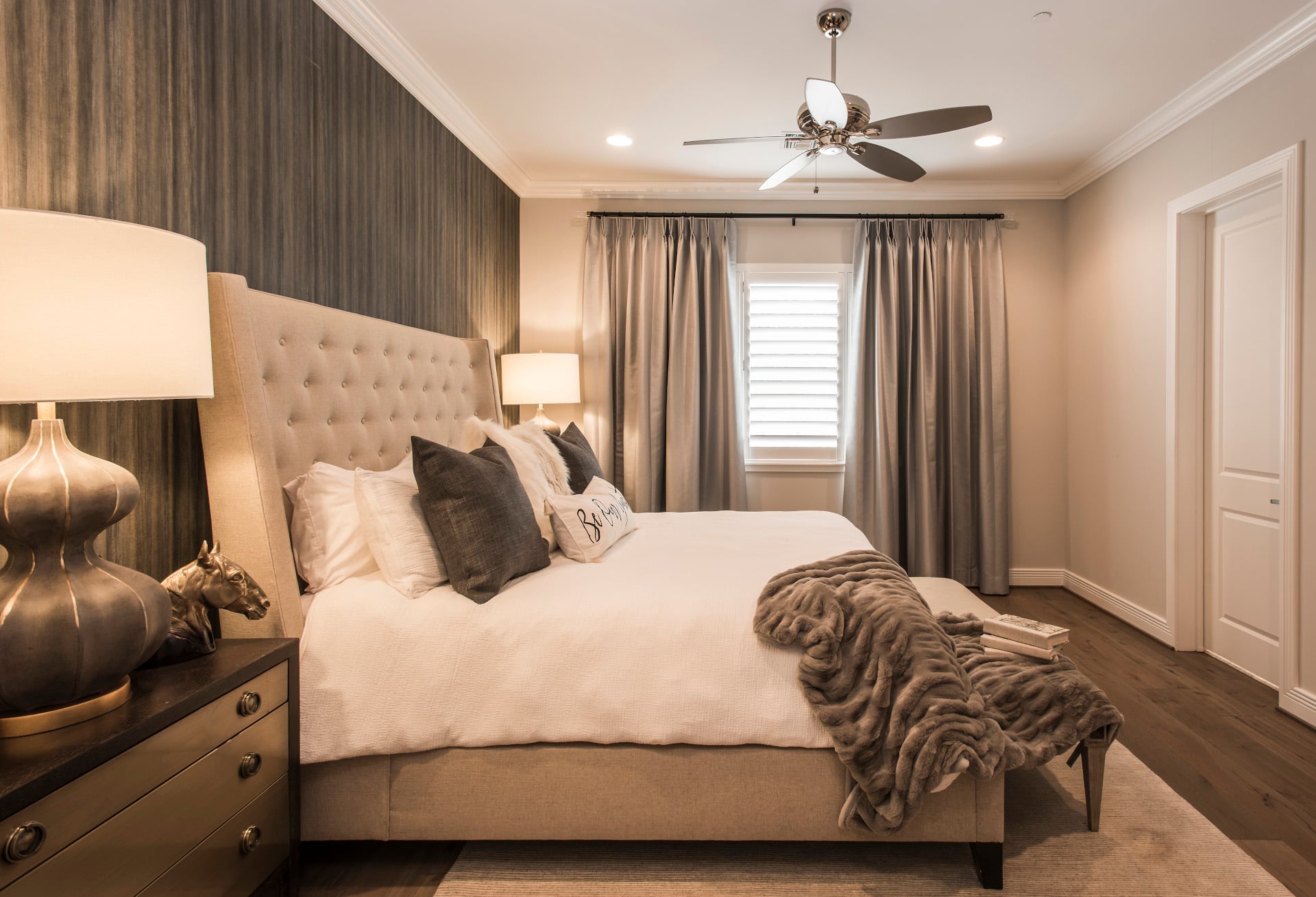
Hotel Room Interior Design Ideas for Boutique Properties
The hotel room is one of the most important elements of the entire guest experience. A beautiful lobby and great customer service create a strong first impression, and that same level of care has to carry through to the place where the guest actually settles in for rest and relaxation. It is where they unpack, unwind, sleep, shower, work, and can be a strong deciding factor on if the customer would book there again, write a review, recommend it to a frienddecide whether they would book this hotel again.
For a boutique property, the room has to do two jobs at once. First, as we mentioned, it has to feel like an extension of the lobby and the rest of the hotel so the experience is cohesive from check-in to check-out. Second, it has to deliver on every intimate detail that guests notice once they are alone: the bed, the lighting, the smell of the room, the way the closet opens, the comfort of the chair, the shower pressure, the quiet hum (or beautiful silence) of the HVAC.
Here is a step-by-step guide to designing a boutique hotel guest room that gets all of it right. If you like the direction we provide, feel free to check out our hotel interior design services.
Step 1: Start With the Brand Vibe So the Room Reflects the Hotel
Before designing anything inside the four walls of a guest room, get clear on the hotel’s brand identity. Is it a desert retreat, a coastal escape, a wellness sanctuary, a city jewel-box? Whatever the answer is, that vibe has to carry into the room.
Cohesion comes from repeating the lobby’s signature elements (in subtler doses) inside each room:
- Repeat one or two hero materials from the lobby (a stone, a wood tone, a metal finish)
- Pull one accent color forward as a throw pillow, a piece of art, or a tile detail
- Echo the lobby’s scent story with a complementary candle or linen spray
- Use the same metal finish family on hardware, lighting, and bathroom fixtures
A guest should be able to step out of the lobby, into the elevator, down the hallway, and into their room without ever feeling like they have entered a different hotel. The room should feel like a quieter, more private version of the public spaces.
Step 2: Plan the Room Layout Around the Guest Experience
A great boutique room layout makes the space feel larger, calmer, and more functional than its square footage suggests. Bad layouts (doors that swing into beds, awkward bathroom sightlines, dead corners) ruin even the most beautifully styled room.
Key layout moves to get right:
- Bed placement. Anchor the bed on the strongest wall, ideally facing the best feature in the room (a window with a view, a fireplace, a piece of statement art). Keep at least 24 to 30 inches of clearance on both sides for nightstands and easy bed-making.
- Entry sequence. When the door opens, guests should see something beautiful first, not the side of a closet or the toilet through an open bathroom door. Build in a small entry vignette (a console, a piece of art, a sconce) to set the tone.
- Workspace zone. Even leisure guests need a surface for a laptop, coffee, or in-room dining. A small writing table with a comfortable chair is more boutique than a clunky business desk.
- Lounge zone. If square footage allows, add a reading chair with an ottoman or a small loveseat. Guests should have somewhere to sit that is not the bed.
- Bathroom door. Position it so it is convenient from the bed but not the first thing guests see when they walk in.
- Luggage drop. Build in a dedicated spot (a bench, a luggage rack, a niche) so guests are not throwing suitcases on the bed or the floor.
Step 3: Choose Soothing, On-Brand Paint Colors
Paint sets the emotional temperature of the room. For boutique guest rooms, soft, layered, sophisticated tones almost always outperform bold or trendy color choices. Guests should walk in and feel an immediate exhale.
Reliable boutique paint strategies:
- Warm neutrals (creamy whites, soft taupes, warm greiges) make rooms feel restful and photograph beautifully in any light
- Muted earth tones (terracotta, sage, dusty olive, soft ochre) give rooms personality without overwhelming
- Deep, moody hues (deep navy, forest green, charcoal, plaster pink) work beautifully in smaller rooms and on accent walls when the rest of the palette is restrained
- Tone-on-tone treatments (painting trim and walls the same color in different finishes) create a custom, considered look
Whatever color you choose, prioritize a low-VOC, washable paint in a flat or eggshell finish for walls and a satin finish for trim. Boutique guests notice quality finishes, and they especially notice the absence of off-gassing in a freshly painted room. For more specific information on boutique hotel interior design trends, click here.
Step 4: Invest in the Bed (It Is the Most Important Thing in the Room)
If a guest sleeps poorly, nothing else matters. The bed is the single highest-leverage investment in any guest room.
What a truly comfortable boutique bed looks like:
- A high-end mattress with a medium-firm feel that works for most body types. Look for hybrid models with individually pocketed coils and a layered foam top.
- A mattress topper for added plushness, even on a great mattress
- Layered, high-thread-count linens in a percale or sateen weave (white is classic and signals cleanliness)
- A down or down-alternative duvet with a beautifully made-up duvet cover
- Multiple pillow options (firm and soft, with a pillow menu if your concept supports it)
- A custom upholstered headboard that is taller than you think (60 inches or more) and wrapped in a tactile fabric like linen, bouclé, or velvet
- A bench or low chest at the foot of the bed for shoes, throws, or open suitcases
- A throw blanket and lumbar pillow in textured fabric to add layers and a touch of warmth
Pay attention to what is under the bed too. Skirted beds hide storage and look more residential, while platform beds feel more modern and minimal. Pick the one that fits your brand.
Enjoying our suggestions so far? We can bring these exact recommendations to life at your boutique hotel through our hotel interior design services. Schedule a consultation today.
Step 5: Curate Comfortable, Functional Furniture
Every piece of furniture in a boutique guest room should be both beautiful and useful. Nothing should feel like filler.
Furniture worth investing in:
- Nightstands with at least one drawer, a surface large enough for a lamp and a book, and integrated outlets and USB ports
- A lounge chair or reading chair upholstered in performance fabric, ideally with a small ottoman or side table
- A writing table or built-in desk niche with a comfortable chair (cane backs, leather slings, and upholstered side chairs all read more boutique than office task chairs)
- A small dining or coffee table for in-room dining and casual work
- A bench at the foot of the bed that doubles as a luggage stand
- A media console or millwork cabinet that holds the TV, minibar, and storage in one clean piece
Round corners, performance fabrics, and durable but beautiful finishes are non-negotiable. Boutique hotels are punished by daily wear far more than residential interiors, so every piece needs to be both gorgeous and built to last.
Step 6: Get the TV Placement Right
Guests still want a great TV experience, but the TV should never be the centerpiece of the room. The goal is to make it accessible and beautiful without letting it dominate.
Best practices for boutique TV placement:
- Mount the TV across from the bed on the wall above the dresser or media console, ideally at a height where it is comfortable to watch while sitting up in bed (typically 42 to 48 inches from the floor to the center of the screen)
- Frame it as art. Use a Samsung Frame TV or a custom millwork surround so the screen blends into the design when off
- Hide the cords. Run all wiring inside the wall or behind millwork. Visible cords ruin the room instantly.
- Add a sound bar discreetly. Most boutique guests appreciate better-than-builder-grade sound for movies and music
- Include casting capability (Chromecast, AirPlay, or a smart TV with built-in streaming logins for major apps)
Some boutique properties choose to skip the TV entirely in favor of a record player, a curated book selection, or a sound system. That is a brand choice. Whatever you decide, make it intentional.
Step 7: Design the Closet and Storage Like a Luxury Home
Storage is often the difference between a guest room that feels generous and one that feels cramped. Boutique guests are unpacking, hanging up dresses, charging devices, and storing toiletries. The room has to support all of it without clutter.
Closet and storage design moves that elevate the room:
- A walk-in or built-in closet with real wood hangers (never wire), a luggage shelf, and a soft-close door
- Open shelving or cubbies for a robe, slippers, and folded items
- Drawer space inside the dresser or media console for clothing and personal items
- A safe large enough for a laptop, sized and bolted properly
- An iron and steamer stored neatly out of sight, not hanging from a hook
- A luggage bench or rack that folds away when not needed
- Bathroom storage for toiletries, a hair dryer (in a velvet bag), and extra towels
If your guest rooms are smaller, lean into millwork. A custom built-in wardrobe with integrated lighting and a clever mix of hanging, drawer, and shelf space can do the job of a walk-in closet in half the footprint.
Step 8: Place Mirrors Where They Flatter and Function
Mirrors do two things in a boutique room: they help guests get ready, and they bounce light to make the room feel bigger. Both deserve thought.
Where to put mirrors in a guest room:
- A full-length mirror somewhere in the room (mounted on a closet door, inside the wardrobe, or as a freestanding piece) so guests can check an outfit
- A statement mirror over the dresser that doubles as a vanity if the bathroom is small
- A bathroom vanity mirror that is beautiful, well-lit, and large (more on this in Step 12)
- A small mirror near the entry for last-minute touch-ups before guests leave the room
Avoid generic, frameless mirrors. Choose framed pieces in the same metal or wood finish family as the rest of the room. A great mirror is one of the easiest ways to make a guest room feel custom.
Step 9: Drapery and Window Treatments That Control the Mood
Window treatments are one of the most underrated elements in boutique design. Done well, they elevate every other element in the room. Done poorly (skinny rods, off-the-shelf panels, cheap blinds), they cheapen everything.
The boutique drapery formula:
- Layered drapery with sheer linen panels for daytime softness and blackout panels for night
- Hardware that disappears (ceiling-mounted tracks, recessed pockets, or wall-mounted rods that extend well beyond the window frame)
- Floor-length panels that just kiss the floor or break slightly for a tailored look
- Motorized shades in higher-end properties, with controls accessible from the bed
- True blackout capability so guests can sleep in completely dark rooms (this is one of the most reviewed features of any hotel)
The view matters too. If the window opens onto something beautiful, design the room to celebrate it. If the view is uninspiring, use sheers to soften it and direct attention back into the room.
Step 10: Add Smart Features That Feel Seamless
Modern boutique guests expect a level of tech that makes their stay easier without making the room feel like a control panel. The key is integration and simplicity.
Smart features worth including:
- Universal outlets and USB-C ports at every nightstand, the desk, and the bathroom vanity
- Wireless charging pads built into nightstands or the desk
- Bedside controls for room lights, drapery, and HVAC so guests do not have to get up
- Smart thermostats that pre-cool or pre-heat the room based on check-in time
- Keyless entry via app or RFID card
- High-speed Wi-Fi with a simple login (a beautiful small placard on the nightstand with the network name and password works perfectly)
- A smart TV with casting and major streaming app logins
- A Bluetooth speaker for guests who want to play their own music
- Voice assistants (optional and brand-dependent; some guests love them, others find them invasive)
The rule of thumb: if a guest needs a manual to use any technology in the room, the design has failed. Everything should be intuitive within thirty seconds.
Step 11: Layer Lighting to Set the Mood
Lighting is what makes a guest room feel like a luxury hotel instead of a corporate one. Boutique rooms should always have multiple layers of light, all on dimmers, with warm color temperatures.
The four layers every guest room needs:
- Ambient lighting from a central source (a beautiful pendant, a flush mount, or a sculptural ceiling fixture)
- Task lighting at the bed (adjustable sconces or reading lamps), at the desk, and at the bathroom vanity
- Accent lighting to highlight art, architecture, or a feature wall
- Decorative lighting like table lamps, a floor lamp by the lounge chair, and a small lamp on the desk for warmth
All lights should be dimmable and use warm bulbs (2700K or lower). Cool overhead light is one of the fastest ways to make a beautiful room feel sterile.
Step 12: Treat the Bathroom as a Hero Space
The bathroom is often where a boutique hotel wins or loses a guest’s loyalty. Modern travelers expect bathrooms that feel like home (or better).
Boutique bathroom design ideas worth investing in:
- Floor-to-ceiling tile in the shower or wet area (zellige, large-format porcelain, fluted ceramic, or natural stone)
- A custom or semi-custom vanity with a stone top, integrated lighting, and beautiful hardware
- A statement mirror (round, arched, or framed in the room’s metal finish) with sconces flanking it instead of harsh overhead bar lights
- A rainfall showerhead plus a handheld wand with strong, consistent water pressure
- A wall-mounted faucet or a beautiful deck-mounted single-handle faucet in the room’s signature metal finish
- A separate soaking tub in suites or higher-tier rooms, with a small stool and a tray for a candle or a drink
- Heated floors in colder climates or higher-end properties
- A quiet, powerful exhaust fan (loud fans are a giveaway of a cheap build)
- Plush, oversized towels in white, with hooks and bars placed thoughtfully
- A wool bath mat instead of a thin cotton one
- Refillable apothecary-style amenities from a boutique brand
- Soft, dimmable warm lighting for early-morning and late-night use
- A small art piece, a candle, and a tray of curated extras (a toothbrush, a razor, a comb) for the guest who forgot something
Every metal, stone, and color in the bathroom should connect back to the rest of the room. Cohesion is what makes the bathroom feel like part of the hotel instead of a renovation afterthought.
Step 13: Layer in Scent, Sound, and Sensory Details
Once the visual design is locked in, the senses guests cannot photograph are what turn a great room into an unforgettable one.
- Scent. Choose a signature room fragrance that complements (not competes with) the lobby scent. Use a candle, a diffuser, or a linen spray. The smell of fresh, clean, beautifully fragranced linens is one of the most memorable boutique details.
- Sound. Insulate walls properly so guests cannot hear hallway conversations, elevators, or neighbors. Pre-load a Bluetooth speaker or in-room sound system with a curated playlist that matches the brand mood.
- Touch. Pay attention to the weight of the door handle, the softness of the robe, the smoothness of the stone counter, the thickness of the towel, the give of the rug underfoot. Quality registers subconsciously.
- Taste. A small welcome amenity (a local treat, a beautiful glass bottle of water, a single piece of chocolate on the pillow) extends the design experience into hospitality.
- Air. Quiet, well-balanced HVAC with humidity control is one of the biggest comfort upgrades a hotel can make. Guests notice when a room feels fresh, dry, and well-circulated even if they cannot articulate why.
Step 14: Add the Finishing Touches That Set Boutique Rooms Apart
The little extras are what guests remember and post about. Some of the most-loved boutique room details:
- A curated coffee and tea setup with a beautiful kettle, a French press or pour-over, locally roasted coffee, and ceramic mugs (skip the disposable cups)
- A small minibar or pantry stocked with local snacks, sparkling water, and a beautiful corkscrew
- A handwritten welcome note from the property manager or designer
- A book or two chosen to reflect the location or brand
- A throw blanket and an extra pillow stored in a beautiful basket, not stuffed in the closet
- A robe and slippers of real quality, displayed neatly (not bagged in plastic)
- A small art piece or photograph that ties the room to its location
- A printed in-room directory designed beautifully (or a digital one accessible without an app download)
- Fresh flowers or a small plant when the property can support it
These are the touches that get photographed, shared, and remembered. They are also some of the lowest-cost ways to make a guest feel like the hotel was made for them.
Bring the Cohesion Full Circle
When a guest leaves the lobby, walks down the hallway, opens the door, and steps into their room, the experience should feel like one continuous story. The materials echo, the colors carry, the scents complement, the lighting flows. The room is quieter and more personal than the lobby, but it is unmistakably the same hotel.
That is the work of an experienced hospitality interior designer. Interiors Remembered has spent 30+ years and 600+ projects designing exactly this kind of cohesion for boutique hotels, luxury vacation rentals, and commercial properties across Arizona and beyond. Their team handles guest room and suite layout optimization, lobby and common area space planning, hard material selection, lighting and plumbing fixture specification, custom millwork, signature color palette development, brand alignment, and curated furnishings, artwork, and décor for every space in the property.
If you are building or refreshing a boutique property in Scottsdale, Sedona, Paradise Valley, Phoenix, or beyond, book a discovery call with the Interiors Remembered team. The right design partner is what turns a beautiful concept into a guest experience worth booking again.
Discover What a Truly Client-Centered Design Experience Looks Like
Schedule your complimentary discovery call with our team today.
Schedule Your Discovery Callor call (480) 921-4224

